U.S. FTO Designations of Brazilian Criminal Organizations: Legal, Compliance, and Geopolitical Implications
Arnold & Porter invites you to a complimentary briefing on a fast-moving development with significant implications for businesses operating in Brazil. On May 28 and June 5, 2026, the U.S. Department of State designated two of Brazil’s largest criminal organizations, Primeiro Comando da Capital (PCC) and Comando Vermelho (CV), as Specially Designated Global Terrorists (SDGTs) and Foreign Terrorist Organizations (FTOs), respectively. These are the first Brazilian entities to be placed on the U.S. FTO list, following similar designations of eight Mexican and Latin American criminal organizations in February 2025, and reflect a broader shift in U.S. policy toward addressing drug trafficking threats through a counterterrorism framework, with significant downstream legal and commercial risks.
The consequences are immediate and far-reaching: asset freezes, prohibitions on transactions with any nexus to the United States, potential civil liability under the Anti-Terrorism Act, criminal liability for providing material support to either organization, including through supply chains and third-party relationships, among others. Companies operating in Brazil, particularly in financial services, energy, logistics, and construction, face direct exposure.
Our panel will address the following:
- The geopolitical context: the PCC and CV designations within the Trump Administration’s broader counterterrorism strategy in Latin America, and what to expect next.
- SDGT v. FTO: the distinct legal frameworks, OFAC compliance obligations, and what the designations mean for U.S. and non-U.S. companies with Brazil exposure.
- Scope of the material support prohibition and related compliance obligations, including supply chain and third-party exposure.
- Indirect exposure risks: how liability can arise through intermediaries, customers, and financial flows—even without direct dealings with designated organizations.
- Criminal enforcement dimensions: DOJ prosecution strategy, corporate liability, and lessons from prior FTO enforcement actions.
The briefing will be followed by a Q&A session. Please send any questions or topics you would like the panel to address to carlos.lobo@arnoldporter.com in advance. Arnold & Porter hopes you will join us!
Speakers
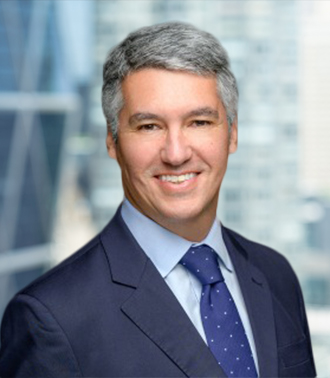
- Carlos Lobo Partner, Corporate & Finance | Latin America & Caribbean
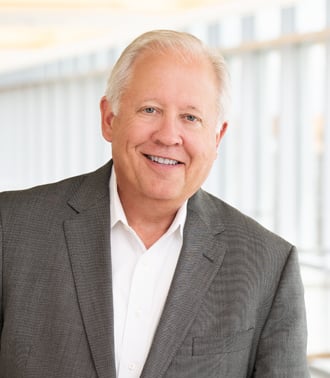
- Ambassador Thomas A. Shannon, Jr. Senior International Policy Advisor, Global Law & Public Policy | Latin America & Caribbean
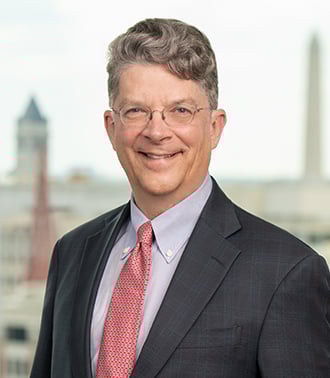
- John P. Barker Partner, Government Contracts and National Security | Export Controls & Sanctions | Latin America & Caribbean
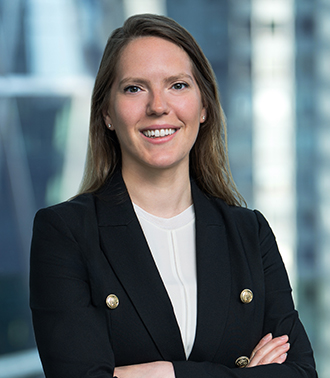
- Tal R. Machnes Counsel, White Collar Defense & Investigations | OFAC & Export Controls
- Eric Snyder Partner, White Collar Defense & Investigations | Latin America & Caribbean
Arnold & Porter, New York
Introduction & Moderator
Arnold & Porter, Washington, D.C.
Former Under Secretary of State for Political Affairs; former U.S. Ambassador to Brazil
Arnold & Porter, Washington, D.C.
Former Deputy Assistant Secretary of State for Export Controls
Arnold & Porter, New York
Arnold & Porter, New York
Former Assistant U.S. Attorney, Southern District of New York
Meet the Speakers