DOJ’s FCA Enforcement Priorities — Insights From the Deputy Assistant Attorney General
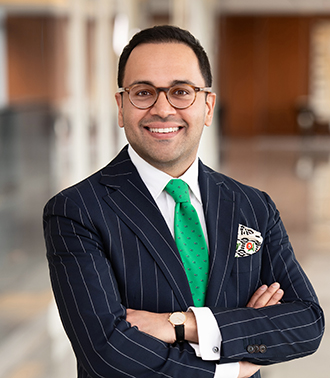
This week’s Pharmaceutical Compliance Congress featured a keynote address from Brenna Jenny, Deputy Assistant Attorney General, Commercial Litigation Branch, Civil Division, U.S. Department of Justice (DOJ). Jenny’s address, which focused on “DOJ Perspectives on FCA Enforcement Priorities,” provided a number of important insights for pharmaceutical manufacturers.
First, Jenny explained that when determining whether and where to exercise DOJ’s enforcement discretion with respect to pharmaceutical manufacturers, DOJ’s key focus has been on conduct that raises drug prices and increases utilization. She stressed that DOJ recognizes the important work that pharmaceutical manufacturers do in drug development, and their right to profit from their investment in research and development, but stated that drug costs and utilization are at an all-time high, and conduct that results in increased drug costs will face DOJ’s scrutiny.
By way of example, she cited recent cases involving a product’s Average Wholesale Price, copays paid to third parties to “prop up” drug prices, and kickbacks paid to healthcare providers through speaker programs. She stated that DOJ is also looking at fees paid to pharmacy benefit managers in exchange for formulary placement.
In addition, Jenny explained that DOJ is taking a particular interest in cybersecurity cases and noted that the relators bringing these cases tend to be “high quality.” In that regard, she added that to the extent a manufacturer receives patient data, it must ensure that data is properly protected.
Jenny noted that although there have not yet been any settlements with manufacturers this year, she is aware of a few “handshake” agreements in cases involving kickback allegations. Echoing DOJ’s broader theme of encouraging voluntary self-disclosure, Jenny stated that she will always ask whether a company made changes before it received a subpoena or civil investigative demand, reiterating that she is “always” open to a voluntary self-disclosure.
Finally, in what was perhaps a response to recent arguments by defendants regarding the constitutionality of the qui tam provisions of the FCA (not to mention the Zafirov decision and pending appeal), Jenny explained — in some detail — how DOJ supervises its docket of qui tam litigation, even when it has not intervened in a case, reflecting DOJ’s belief that it maintains ultimate control over litigation brought in the government’s name.
- First, with respect to DOJ’s discretion to invoke its authority to dismiss a case under 31 U.S.C. § 3730(c)(2)(A), she noted that during the first Trump administration, DOJ began to exercise its authority with greater frequency, and will continue to do so under the current administration. She said that DOJ will weigh the benefits and burdens of litigation. When a case lacks merit, she explained, even minimal burdens to the government outweigh potential benefits. She stressed that she understands that the burden on companies in defending qui tam cases is real.
- Second, when DOJ does opt to intervene in a case, Jenny stated it will do so selectively and will encourage relators to narrow the scope of the case if appropriate.
- Third, when DOJ declines to intervene in a case, Jenny said it is candid with relators about its reasons for doing so and will point out the challenges to a case’s viability.
- Fourth, DOJ has invoked its statutory “veto” over a defendant’s arguments that a relator’s claims are barred by the public disclosure bar (i.e., allowing a case to proceed even if the allegations were publicly disclosed). Conversely, Jenny said that when DOJ chooses not to invoke its veto in such cases, it may signal non-meritorious cases.
- Finally, when DOJ files a statement of interest, it does so to help promote consistency and alignment of issues across jurisdictions. Jenny said that DOJ is also open to conversations with defendants where a defendant feels a statement of interest is warranted.
Jenny’s discussion of how DOJ sees its enforcement priorities and its role in qui tam cases offers important insights for manufacturers, whether they are considering making a voluntary self-disclosure, facing a government investigation, or in the midst of litigating a qui tam case.
© Arnold & Porter Kaye Scholer LLP 2026 All Rights Reserved. This Blog post is intended to be a general summary of the law and does not constitute legal advice. You should consult with counsel to determine applicable legal requirements in a specific fact situation.
Authors