Part III: Taking Buy Local to the Next Level: Supply Chain Developments in Life Sciences
Life Sciences & National Security Webinar Series
Traditional government contractors have long known that the integrity of the supply chain for the U.S. industrial base is a crucial national security issue. As this program will explore, accelerating efforts to strengthen and onshore pharmaceutical supply chains have become a critical part of the Administration’s push for economic sovereignty and highlight the importance of this issue in the life sciences space. The effort to build the domestic supply chain could have unexpected consequences for allied countries.
Recent trade, regulatory, and industrial policy developments all point to an increased focus on the expansion of domestic manufacturing capacity. While the Acetris decision somewhat loosened Trade Agreements Act requirements, recent procurement trends indicate heightened interest in disclosure of the origin on ingredients, perhaps leading to increased demand for U.S.-origin components and end products. This marries up with the Administration’s Section 232 investigations, which are examining the effects on national security of pharmaceuticals and their ingredients. Related tariff proposals and most-favored-nation (MFN) deals for patented pharmaceuticals and active pharmaceutical ingredients (APIs) have heightened focus on supply chain resiliency and domestic production. At the same time, exemptions for generic drugs, biosimilars, and certain 505(b)(2) products—and a planned reassessment by the Department of Commerce—raise important questions about the future of pharmaceutical manufacturing policy. Meanwhile, negotiations surrounding the reauthorization of the Generic Drug User Fee Amendments (GDUFA IV) and Prescription Drug User Fee Act (PDUFA VIII) may introduce new incentives and considerations relating to manufacturing location, supply chain security, and clinical development.
Arnold & Porter will discuss key developments shaping pharmaceutical supply chains and onshoring strategies, including U.S. and EU efforts to bolster production of essential medicines, the intersection of trade and regulatory policy, and the potential implications of user fee reauthorization negotiations for manufacturers, product developers, and other supply chain stakeholders.
Speakers
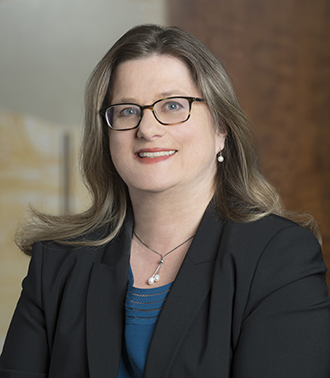
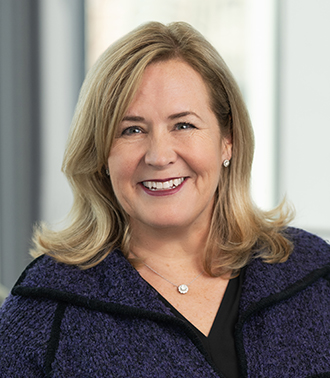
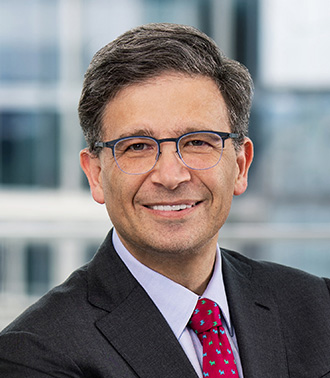
- Lynn Fischer Fox | Partner and former Deputy Assistant Secretary with the Department of Commerce
- Kristen Ittig | Partner, Government Contracts and National Security
- Alexander Roussanov | Partner and former Legal Advisor at EMA
- Howard Sklamberg | Partner and former Deputy Commissioner for Global Regulatory at FDA
- Elizabeth Trentacost | Senior Associate and former Regulatory Counsel at FDA
We invite you to join us and to come with questions!
Save the Date
Part IV: Complying with Export Controls and Trade SanctionsWednesday, October 21
11 a.m.-noon ET
Speakers: John Barker, Eun Young Choi, and Alexander Italianer
Meet the Speakers