Power, Permitting, and Progress: Takeaways From Arnold & Porter’s NYC Climate Week Data Center Panel
The data center boom shows no sign of slowing, and neither do the challenges. As developers race to meet unprecedented demand for artificial intelligence (AI) and cloud computing infrastructure, communities, local policymakers, and advocacy groups are pushing back through moratoria, litigation, and tightened local review — raising the stakes for anyone building, financing, or operating a data center today.
On September 24, 2026, Arnold & Porter and the Business Council for Sustainable Energy (BCSE) convened legal, policy, sustainability, energy, and industry leaders for a panel discussion during NYC Climate Week: “Power, Permitting, and Progress: Navigating Today’s Data Center Challenges.” The conversation examined the environmental, permitting, and community engagement issues shaping data center development, along with the emerging wave of litigation and regulatory disputes in the sector. Panelists included:
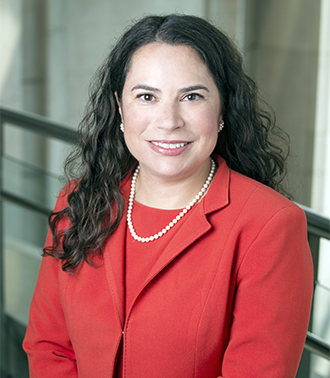
- Sandra E. Rizzo, Senior Counsel, Energy, Arnold & Porter (moderator)
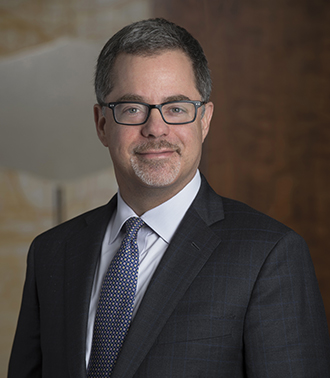
- Ethan G. Shenkman, Partner and Co-Chair, Energy & Infrastructure Industry Group, Arnold & Porter
- Mike Gerrard, Andrew Sabin Professor of Professional Practice and Director, Sabin Center for Climate Change Law at Columbia Law School
- Stephen Lamm, Senior Director, Sustainability, Bloom Energy
- Alex Rakow, Director of Sustainability, Schneider Electric
Panelists agreed that power, water, noise, and land use concerns are converging into a single, interconnected challenge for data center developers, one compounded by a broader public unease about the pace and scale of AI-driven infrastructure buildout.
Drawing on his recent Law360 article, “The Expanding Litigation Front Against The Data Center Boom,” Ethan Shenkman pointed to a fast-growing data center litigation landscape, highlighting a new wave of suits in which data center developers are directly challenging local moratoria. He identified several recurring flashpoints: behind-the-meter natural gas generation and its air quality implications; grid-sourced power and its indirect emissions impacts; water sourcing, supply, and discharge concerns tied to cooling demand; noise-based nuisance claims; and land use issues arising under local zoning laws as well as federal statutes such as the Clean Water Act, the Endangered Species Act, and the National Environmental Policy Act.
Shenkman emphasized that community acceptance is often the deciding factor in whether a project moves forward smoothly or ends up in a dispute. He also noted that the Trump administration’s executive orders directing agencies to streamline permitting, narrow Clean Water Act jurisdiction, and incentivize development on public lands are reshaping the regulatory backdrop against which these community dynamics are playing out.
Mike Gerrard outlined how states and localities are pulling back on data center incentives and adding moratoria and local restrictions, adding that onsite natural gas power risks locking in fossil fuel infrastructure.
Stephen Lamm explained why onsite fuel cells and other behind-the-meter power are gaining ground as grid constraints mount, and why he sees natural gas paired with carbon capture as an important practical path at scale.
Alex Rakow offered the industry and customer perspective, emphasizing that speed to approval and public trust are where sustainability commitments are tested, and that transparent, sustained community engagement is essential.
The rapid expansion of data center infrastructure is testing the limits of the nation’s power grid, permitting systems, and regulatory frameworks while raising complex questions in real estate, technology, and workforce readiness. Arnold & Porter offers a firmwide, cross-disciplinary approach to every stage of a data center project, bringing together lawyers and policy professionals to help developers, utilities, and investors move projects forward from planning through operation.
With more than 1,000 lawyers practicing across 16 offices worldwide and experience spanning more than 40 practice areas, we create favorable operating environments for data center projects. Arnold & Porter will continue to track the fast-moving legal and policy landscape facing data center developers, operators, and investors. Stakeholders wishing to learn more are encouraged to reach out to the firm.
© Arnold & Porter Kaye Scholer LLP 2026 All Rights Reserved. This Blog post is intended to be a general summary of the law and does not constitute legal advice. You should consult with counsel to determine applicable legal requirements in a specific fact situation.
Authors